

Article Summary: Changing the password after a business email account is hacked stops anyone from signing in with the old one, but it doesn’t remove access the attacker may already have. An active session, a forwarding rule, a connected app, mailbox permissions or a recovery method they added can keep them connected. To fully secure the account, your IT provider or email administrator needs to revoke sessions, review the mailbox settings and connected apps, check what the attacker did, and require MFA before the employee signs in again.
When someone gets into a business email account, changing the password is the right first step. It just isn’t the last one.
While they had access, the attacker may have set up a forwarding rule, approved a connected app, added their own sign-in method, or given another account access to the mailbox. A browser or email app they signed in from may also still be connected.
Email needs extra care because so much else depends on it. Password-reset messages for accounting software, cloud storage, social media and other business systems usually arrive by email. Someone who can still read the inbox may be able to reach those accounts too.
That’s why recovery guidance from Microsoft, Google and the UK National Cyber Security Centre goes well beyond the password change.
What a Password Change Does and Doesn’t Cover
Email services use sessions so you don’t have to type your password every time you open a message. After you sign in, your browser or email app holds a cookie or token showing the login was already approved. The service keeps accepting it until it expires or someone revokes it, so a person who signed in before the password changed may stay connected for a while.
Providers handle this differently. Google says a password change signs you out in most places, but it lists exceptions, including some devices with third-party apps that have account access. Google Workspace administrators also have separate controls for suspending an account and resetting its sign-in cookies. Microsoft’s guidance for business accounts tells administrators to disable the affected account during the investigation and revoke its sessions as a separate step.
A password change also leaves mailbox settings alone. Any forwarding rule, delegate or recovery method added during the compromise stays in place until someone finds and removes it.
Active Sessions Can Outlast the Old Password
Revoking active sessions is one of the first things your IT provider should do. If the attacker signed in through a browser or email app, that session may still hold a valid token. Malware on an employee’s computer can also steal a session cookie and pass it to someone else. That person can then use a session that already passed the normal login checks, without ever entering the new password.
The administrator should use the email provider’s tools to revoke the account’s sessions and tokens. Depending on the service, the control may be called “revoke sessions,” “reset sign-in cookies,” “sign out everywhere,” or “log out of all devices.”
If malware might be on the employee’s computer, start the recovery from a different device. Have the affected computer checked before the employee signs in on it again.
Forwarding Rules Can Keep Copying Your Email
Once the sessions are closed, check what changed inside the mailbox.
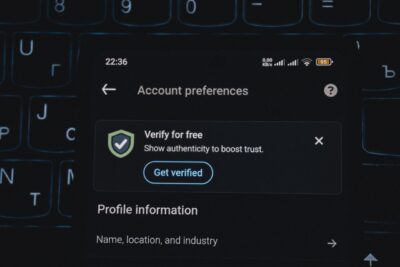
An attacker can create a rule that sends a copy of every new email to another address. They can also set one up that only forwards messages containing words like “invoice,” “payment,” “bank,” or “password reset.” The selective version is harder to spot because everything else keeps arriving normally.
Rules can hide activity too. A rule might move security alerts, customer replies, or questions about a payment request into a folder the employee rarely opens.
Microsoft and Google both tell administrators to check forwarding settings and mailbox rules after a suspected compromise. In Microsoft 365, this should be done from the admin tools, not only from the employee’s Outlook settings. Microsoft recommends reviewing all inbox rules, including hidden ones.
Connected Apps Can Read Mail Without the Password
Businesses often connect email accounts to scheduling tools, customer management systems, mobile email apps, document services and browser extensions. Many of these connections use OAuth. When a user approves the request, the app gets permission to parts of the account without ever storing the password.
Attackers can abuse this by building an app that looks genuine and getting a user to approve it. Microsoft explains that a malicious consent grant can give an attacker access to email, files, contacts and forwarding rules.
Some app connections stop working after a password reset, but others have to be removed separately. Review every app connected to the account and remove anything the business doesn’t recognize, use or approve. A familiar name and logo don’t prove who built an app, so your administrator should check the company behind it and the exact permissions it was given.
Delegates Keep Their Access After a Password Change
Business email platforms let one person work in another person’s mailbox. An assistant might manage an executive’s inbox, for example, or a team might share one. This is called delegation. Delegates sign in with their own accounts, so changing the mailbox owner’s password doesn’t remove them.
Exchange Online supports Full Access, Send As and Send on Behalf permissions, and Gmail supports delegated access as well. Check every person and group with access to the mailbox, confirm why they need it, and remove anything the account owner or administrator can’t explain.
Don’t skip sending permissions. Someone with Send As access can send messages that appear to come straight from the mailbox, even if they can’t read it.
Recovery Methods Can Give the Attacker a Way Back In
While they controlled the account, the attacker may have added a phone number, recovery email address, authenticator app, passkey or security key. A recovery method could help them get back in later. An extra authentication method could let them approve a new sign-in without knowing the new password.
Microsoft tells administrators to review the user’s registered MFA devices and remove anything suspicious. Google’s admin checklist includes having the user review their recovery details. Go through each entry with the account owner and remove anything neither they nor the administrator recognizes.
Steps to Secure a Hacked Email Account
Some of these settings are only visible in the business admin tools. Contact your IT provider or email administrator rather than asking the employee to clean everything up from their inbox.
Lock the Account During the Investigation
The administrator may temporarily disable or suspend the account while it’s being checked, and should revoke its active sessions and tokens. In Google Workspace, suspending a user also resets their sign-in cookies and OAuth tokens.
The employee may lose access for a short time. Leaving the account open gives the attacker more time to read, send or delete email.
Set a New, Unique Password
Choose a password that isn’t used for any other account. If the employee reused the old password elsewhere, change those accounts too.
Don’t send the new password to the affected mailbox. Use a phone call, an approved password manager or another method your business trusts.
Some older apps use separate app passwords. Microsoft notes these aren’t revoked automatically when the main password changes, so your administrator should remove or replace any that exist.
Check Every Mailbox and Sign-In Setting
Check forwarding addresses, inbox rules, filters, blocked addresses, delegates, sending permissions, signatures, automatic replies and connected apps. Then review registered devices, phone numbers, recovery addresses, authenticator apps, passkeys and security keys.
Check POP and IMAP access as well. Some businesses still use these for approved email apps, so confirm how the account is used before turning them off.
Trace What the Attacker Did
Once the attacker’s access is gone, work out what they did while they were in. Look through the Sent, Deleted, Drafts, Junk and Archive folders for messages the employee didn’t write, replies they never saw, password-reset emails and changed payment instructions.
The administrator should review sign-in logs, audit records, email traces and security alerts. The search should start before the first known warning, because the original compromise may have happened earlier.
An unfamiliar login location doesn’t prove someone else used the account. Mobile networks, VPNs and internet providers can all affect location data. The device, time, IP address, app and surrounding activity give a clearer picture when you look at them together.
Warn Anyone Who Received a Fake Message
If the account sent false messages, contact the recipients through a channel you trust. Tell them which messages weren’t genuine and whether they need to change a password, delete a file or ignore a payment request. Give priority to anything involving bank details, invoices, payroll, gift cards or password resets.
If money may have gone to the wrong account, call the bank or payment provider right away. Use a number from its official website or your own records, not one from the email thread.
Turn On MFA Before Handing the Account Back
Once the unknown access, settings and permissions are removed, the administrator can hand the account back. Require MFA before the employee signs in again. Where the platform supports them, passkeys and physical security keys hold up better against phishing than codes that can be typed into a fake login page.
MFA helps stop a stolen password from being used for a new login. It doesn’t remove forwarding rules, delegates, connected apps or recovery methods that are already there, which is why the earlier checks still matter.
Preventing the Next Email Compromise
Ask your IT provider to block automatic forwarding to outside addresses unless your business has a reason to allow it. Microsoft 365 and Google Workspace also have controls for limiting which third-party apps employees can connect.
Require MFA on every email account, starting with administrators and anyone who handles payments or sensitive information. Use passkeys or security keys where the platform supports them.
Ask employees to report unexpected MFA prompts, unfamiliar login alerts, mailbox changes and sent messages they don’t recognize as soon as they notice them. The sooner your IT provider hears, the sooner they can check the account.
Conclusion
Changing the password is the right first move after an email compromise, but it only closes one way in. Sessions, forwarding rules, connected apps, delegates and recovery methods each need their own check, and several can only be reviewed from the admin side.
If you’re not sure who would handle that cleanup for your business, or how your Microsoft 365 or Google Workspace setup would hold up, let’s talk. Atekro can walk through it with you.
Frequently Asked Questions
Does changing an email password sign out every device?
It depends on the provider. Some services sign users out of most sessions after a password change, while others have separate controls for revoking sessions and tokens. Follow the account-compromise guidance for the email service your business uses.
Can someone still receive my email after I change the password?
Yes. A forwarding rule or filter may keep sending them copies of your messages. Check all forwarding settings and mailbox rules.
Can an app access my email without knowing my password?
Yes. An app can receive permission through OAuth, which lets it access approved account data without storing the password. Review and remove any connected app the business doesn’t recognize.
Should I delete a compromised email account?
Usually not. The account is normally disabled or suspended while it’s secured and investigated. Deleting it could remove information your IT provider needs to work out what happened.
Is MFA enough to secure the account?
No. MFA helps prevent new sign-ins, but it doesn’t remove mailbox rules, app permissions, delegates, recovery methods or active sessions that already exist. Those need to be checked separately.
About the Author: scott


Choosing between OneDrive and SharePoint is essential to keeping your business organized, secure, and efficient. Learn how each tool works, and how the right setup prevents data loss, duplicate files, and daily frustration.

SIM swap attacks allow hackers to take over your phone number and intercept text-based verification codes, opening the door to account takeovers and identity fraud. Learn how these attacks work, and the simple steps you can take to protect yourself.
If your network shows even one of these five red flags, you're already at risk for a ransomware attack. Learn what to watch for and how to strengthen your defenses before attackers get in.

Maritime operators face new safety and compliance demands under the Safer Seas Act and MTSA/ISPS. This guide explains key requirements and how effective monitoring protects crews and keeps vessels audit-ready.

Atekro’s Managed IT Services protect small and mid-sized businesses from evolving cyber threats with proactive monitoring, advanced security tools, and cost-efficient support.

Managing IT internally is expensive and time-consuming. Atekro’s outsourced IT support delivers full professional coverage, expert service and stronger security, helping small businesses save money and reduce downtime.
Cybersecurity is now a critical business priority, not just an IT task. Learn how small and midsize businesses can protect their data, strengthen their defenses, and reduce the risk of costly breaches.

Cyber insurance helps small and mid-sized businesses recover from ransomware, data breaches, and downtime, but it doesn’t replace cybersecurity. This guide explains what’s covered, what’s not, how to meet insurer requirements and respond effectively.

Ransomware is a growing cyber threat to maritime operations. As vessels become more connected, learn how operators can boost cyber resilience with monitoring, crew training, and secure IT-OT integration.

Modern vessels are no longer isolated at sea. They are connected, data-driven extensions of the shore, powered by high-speed connectivity and smart IT management for real-time collaboration and stronger cybersecurity.
STAY IN THE LOOP
Subscribe to our free newsletter.