
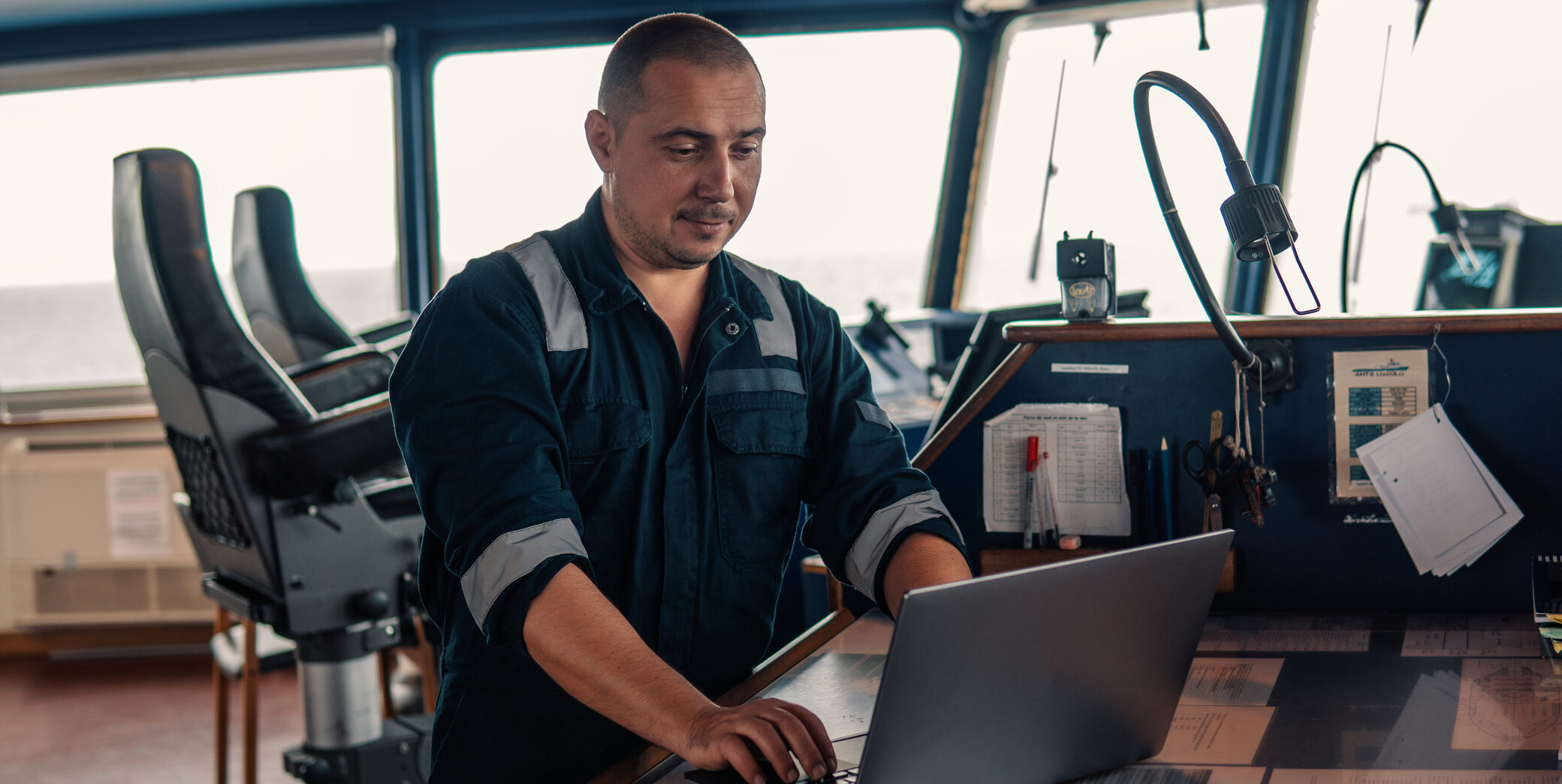
Email is the backbone of modern maritime communication, and secure email communication is essential to safe, compliant, and reliable maritime operations. From voyage instructions and port clearance documents to crew logistics, compliance reporting, and supplier coordination, email connects vessels, shore teams, and partners across the globe.
As a result, as maritime operations become more digitally connected, maritime email security has emerged as a critical operational concern. Ships are no longer isolated assets at sea; they are integral nodes in a global digital ecosystem, relying on constant, secure email communication with shore offices, port authorities, regulators, and suppliers. When email systems are unsecured or compromised, the consequences can ripple quickly across operations, safety, and compliance.
This article explores why email security matters in the maritime industry, the risks of unsecured communications, and how a thoughtful, layered cybersecurity approach can help protect vessels, crews, and shore-based teams.
Maritime Connectivity and Emerging Cyber Risk
Digital transformation has reshaped the maritime sector. Satellite connectivity, cloud platforms, remote monitoring, and integrated logistics systems have improved efficiency and visibility across fleets. Shore teams and onboard crews collaborate in real time, often across time zones and jurisdictions.
However, this connectivity delivers clear benefits, but it also introduces new risks. Cyber threats no longer stop at the shoreline. For example, a single compromised email account can disrupt operations, expose sensitive data, or halt a vessel’s ability to communicate effectively.
Maritime cyber incidents are increasing in both frequency and sophistication. Attackers often exploit the unique characteristics of the industry:
- Crew rotation and shared devices onboard vessels
- Intermittent connectivity
- High-pressure operational environments
- Limited onboard IT resources
Common email-related threats include phishing attacks designed to steal credentials, business email compromise schemes targeting financial transactions, malware and ransomware delivered through malicious links or attachments, and spoofed emails impersonating executives, agents, or port authorities.
Because email feels familiar and routine, it’s often trusted by default, making it an ideal delivery mechanism for attacks.
According to a 2024 maritime cyber threat report, more than 1,800 vessels were monitored for malicious activity in just six months, with thousands of malware detections and numerous ransomware incidents recorded.
Why Secure Email Communication Matters at Sea
Secure email communications are essential for maritime organizations for three critical reasons: business continuity, compliance, and safety.
-
Business Continuity
Maritime operations depend on uninterrupted communication. Voyage plans, port clearance documentation, fuel orders, maintenance schedules, and crew logistics often move through email. Therefore, if email systems are compromised or unavailable, the impact can be immediate:
- Delayed port entries or departures
- Missed supplier communications
- Incorrect routing or documentation errors
- Financial losses from fraudulent transactions
A phishing email that steals credentials or a malware infection that spreads through inboxes can quickly disrupt both shipboard and shore-based operations. Ultimately, strong email security helps ensure that critical messages arrive safely and that teams can continue working without interruption.
-
Maritime Compliance
Maritime organizations operate under strict regulatory frameworks, including IMO and Coast Guard guidelines, flag state requirements, data protection laws, and industry-specific standards. Many of these regulations require:
- Protection of sensitive operational and personal data
- Secure handling of documentation
- Demonstrated cyber risk management practices
Email often carries regulated information such as crew records, contracts, compliance reports, and incident documentation. Without proper security controls, organizations risk non-compliance, fines, and reputational damage.
-
Crew Safety
At its core, maritime operations are about protecting people as much as assets. Reliable communication is a safety-critical function at sea. Email is often used to share safety management system (SMS) documentation, incident reports, weather advisories, technical guidance, and coordination messages between vessel and shore.
If email systems are compromised, delayed, or manipulated, the consequences can extend beyond operational disruption to real-world safety risks. Incorrect instructions, missing updates, or fraudulent messages could impact navigation decisions, maintenance actions, or emergency response coordination.
Strong email security helps ensure that safety-related communications are accurate, timely, and trustworthy, supporting informed decision-making and helping protect crew, vessels, cargo, and the marine environment.

What Secure Maritime Email Solutions Should Include
Protecting maritime email requires more than basic spam filtering. Modern threats demand layered, intelligent security designed for distributed and mobile environments.
Here are the essential components of an effective email security solution for maritime businesses:
-
Multi-Factor Authentication (MFA)
MFA adds an essential layer of protection to email accounts by requiring more than just a password to log in. Even if credentials are stolen through phishing or data breaches, MFA helps prevent unauthorized access by verifying a user’s identity with an additional factor, such as an authentication app like DUO. This significantly reduces the risk of account compromise and helps keep email communications secure.
-
Advanced Email Filtering
Advanced email filtering goes beyond blocking obvious spam. It uses intelligent analysis to detect:
Phishing attempts
These are emails designed to trick users into revealing login credentials, financial details, or other sensitive information. Phishing messages often appear to come from trusted sources, such as port authorities, suppliers, or internal colleagues, and may create urgency around invoices, document reviews, or account issues. Advanced filtering helps detect these messages by analyzing language patterns, sender behavior, and known attack indicators.
Malicious links and attachments
Cybercriminals frequently use email attachments or embedded links to deliver malware or ransomware. Once opened or clicked, these can infect onboard or shore-based systems, spread across networks, or lock users out of critical data. Advanced filtering scans links and attachments for malicious code and suspicious behavior, blocking them before they can be accessed.
Spoofed Sender Addresses
Spoofing occurs when attackers disguise emails to appear as though they come from legitimate contacts, such as executives, agents, or trusted service providers. These emails often use look-alike domains or forged sender information to bypass basic filters. Email security tools analyze sender authentication and domain integrity to detect and block spoofed messages before they reach user inboxes.
Social Engineering & Impersonation
Social engineering attacks focus on manipulating people rather than technology. Attackers impersonate executives, coworkers, or vendors and use tactics like urgency, authority, or fear to pressure recipients into taking unauthorized actions, such as sharing credentials, approving payments, or downloading malicious files.
Advanced email security solutions look beyond technical indicators to identify impersonation patterns and suspicious behavior, helping prevent costly human-error–based attacks.
Suspicious behavior patterns
Some threats don’t rely on obvious malicious content. Instead, they exploit unusual behavior, such as messages sent at odd times, unexpected requests from familiar contacts, or changes in communication patterns.
Advanced filtering uses behavioral analysis to flag these anomalies and prevent subtle attacks from slipping through. This technology helps stop threats before they ever reach a user’s inbox, reducing risk without disrupting workflows.
-
Encrypted Email Communications
Email encryption ensures that sensitive information remains protected. For maritime organizations handling confidential contracts, crew data, and regulatory documentation, encryption is essential.
Encryption helps:
- Protect data from interception
- Meet compliance requirements
- Reduce exposure in the event of a breach
-
Keeping Email Servers Updated
Cyber threats evolve constantly. Email platforms and security tools must stay current to remain effective. Automatic software updates ensure:
- Security patches are applied promptly
- New threat intelligence is integrated
- Vulnerabilities are addressed without manual intervention
This is especially important in maritime environments where onboard IT support may be limited.
-
Secure Access to Email
Maritime teams work from vessels, ports, offices, and remote locations around the world. Secure remote access ensures that users can safely access email systems without exposing credentials or data.
This includes:
- Multi-factor authentication (MFA)
- Secure authentication protocols
- Controlled access based on user roles
Email Security Within a Layered Maritime Cybersecurity Strategy
Email security is most effective when it’s part of a broader cybersecurity approach. Technology alone isn’t enough. Instead, people, processes, and ongoing oversight all play a critical role in reducing risk in maritime environments.
Cybersecurity Awareness Training
Human error remains one of the leading causes of cyber incidents. Regular cybersecurity awareness training helps crews and shore teams recognize phishing and social engineering attempts, understand safe email and password practices, and know how to respond when something doesn’t look right.
Training should be ongoing, practical, and grounded in real maritime scenarios, especially given crew rotation and mixed levels of technical experience.
Identity and Access Management
Controlling who can access email systems, and how they access them, is a foundational security measure. Strong identity and access management includes multi-factor authentication, role-based access controls, and regular review of user permissions. These controls help limit the damage if credentials are compromised and ensure users only have access to what they truly need.
Endpoint and Device Security
Emails are accessed on a wide range of devices, from shipboard systems to laptops and mobile phones used ashore and remotely. Endpoint security tools help protect these devices from malware, unauthorized software, and risky behavior. This layer is especially important on vessels where shared or legacy systems may still be in use.
24/7 Support
Cyber incidents don’t follow business hours. Maritime operations run continuously, and access to 24/7 remote support ensures issues are addressed quickly, guidance is available during incidents, and downtime is minimized, no matter where a vessel or user is located.
24/7/365 Cyber Threat Monitoring
Continuous cyber threat monitoring provides real-time visibility into suspicious activity across email systems and supporting infrastructure. Around-the-clock monitoring enables early detection, rapid response, and ongoing risk assessment, helping prevent small issues from escalating into major operational disruptions.
Together, these measures create a layered defense that supports secure communications, operational resilience, and safety at sea.

Backups and Disaster Recovery Planning
Even with strong preventive controls in place, maritime organizations must plan for the possibility that systems will be disrupted. Effective backups and disaster recovery planning ensure that email and other critical systems can be restored quickly and reliably after a cyber incident, system failure, or operational outage.
Strategic backup solutions should balance cloud and local storage, taking into account the unique realities of maritime operations, especially bandwidth limitations at sea. This approach helps protect critical data without overloading vessel connectivity or disrupting day-to-day operations.
Disaster recovery plans should be fully tested and designed to restore systems quickly and predictably in the event of failure. Clear business continuity strategies, including documented runbooks and virtual recovery options, help minimize downtime and support resilient vessel operations.
Together, these measures create a layered defense that supports secure communications, operational resilience, and safety at sea.
Conclusion
Secure email communication is essential to modern maritime operations. It supports operational continuity, compliance, and crew safety, making it a critical part of any cybersecurity strategy.
A layered approach that combines secure email controls, user awareness, monitoring, and recovery planning helps maritime organizations reduce risk and stay resilient in an increasingly connected environment.
Atekro works alongside maritime teams to strengthen secure email communication and build practical, reliable cybersecurity strategies designed for the realities of life at sea. If you’re assessing your current approach, contact our team, we’re here to help you take the next step with confidence.
FAQs
- Why is email security important in maritime operations?
Email is routinely used for voyage planning, regulatory compliance, safety-related communication, and coordination with suppliers and service providers. A compromised email system can disrupt operations, impact safety, and create regulatory risk.
- What are the biggest email security threats in the maritime industry?
Common threats include phishing, business email compromise (BEC), spoofed sender addresses, and malware delivered through links or attachments.
- How does secure email communication support crew safety?
Email is often used to share safety updates, incident reports, and technical guidance. Secure email helps ensure this information is accurate, timely, and not manipulated.
- Are maritime businesses requiredt o secure email communications?
While requirements vary, regulations such as IMO and US coast guard cyber risk guidelines and data protection laws require organizations to protect sensitive data and manage cyber risks, including email.
- What should a secure maritime email solution include?
Key components include advanced email filtering, encryption, secure remote access, automatic updates, monitoring, and integration with broader cybersecurity controls.
- How does email security fit into a broader cybersecurity strategy?
Email security works best alongside user training, identity and access management, endpoint security, backups, disaster recovery, and continuous monitoring.
Love This Article? Share It!

SIM swap attacks allow hackers to take over your phone number and intercept text-based verification codes, opening the door to account takeovers and identity fraud. Learn how these attacks work, and the simple steps you can take to protect yourself.
If your network shows even one of these five red flags, you're already at risk for a ransomware attack. Learn what to watch for and how to strengthen your defenses before attackers get in.

Maritime operators face new safety and compliance demands under the Safer Seas Act and MTSA/ISPS. This guide explains key requirements and how effective monitoring protects crews and keeps vessels audit-ready.

Atekro’s Managed IT Services protect small and mid-sized businesses from evolving cyber threats with proactive monitoring, advanced security tools, and cost-efficient support.

Managing IT internally is expensive and time-consuming. Atekro’s outsourced IT support delivers full professional coverage, expert service and stronger security, helping small businesses save money and reduce downtime.
Cybersecurity is now a critical business priority, not just an IT task. Learn how small and midsize businesses can protect their data, strengthen their defenses, and reduce the risk of costly breaches.

Cyber insurance helps small and mid-sized businesses recover from ransomware, data breaches, and downtime, but it doesn’t replace cybersecurity. This guide explains what’s covered, what’s not, how to meet insurer requirements and respond effectively.
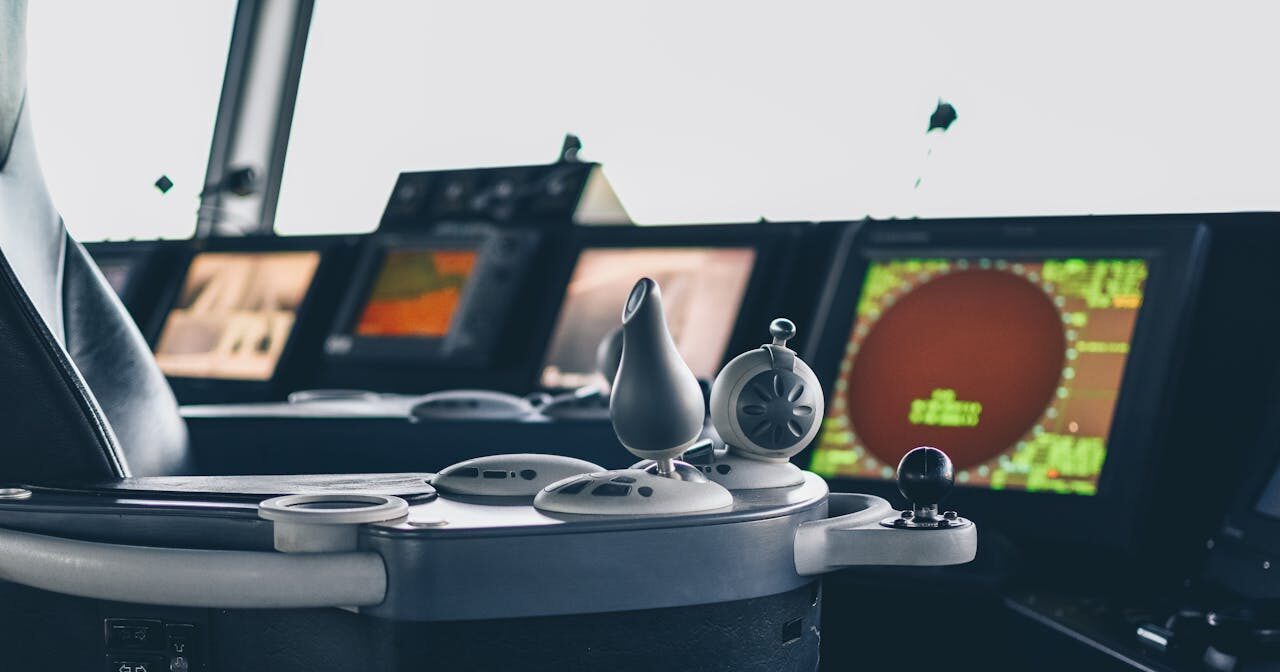
Ransomware is a growing cyber threat to maritime operations. As vessels become more connected, learn how operators can boost cyber resilience with monitoring, crew training, and secure IT-OT integration.

Modern vessels are no longer isolated at sea. They are connected, data-driven extensions of the shore, powered by high-speed connectivity and smart IT management for real-time collaboration and stronger cybersecurity.

Protect your business from cyber threats with our free Executive’s Guide to Cybersecurity. Learn practical strategies to spot risks, prevent attacks, and safeguard your data.
STAY IN THE LOOP
Subscribe to our free newsletter.