

Ransomware attacks are a growing threat to businesses everywhere. 59% of organizations were hit by ransomware in 2023. If your business isn’t prepared, it’s time to act. These attacks can have devastating consequences, and it’s crucial to understand what ransomware is and how to protect your business from it.
What is ransomware?
Ransomware is a type of malicious software that locks you out of your own devices or data until you pay a ransom, usually demanded in cryptocurrency. Imagine trying to access your computer one day and finding all your files encrypted, with a message demanding payment to get them back. That’s ransomware. Even if you don’t pay the ransom, you’ll still face significant downtime and costs as you try to recover your data.
How does ransomware invade your systems?
34% of ransomware attacks begin with a phishing email or scam. Email is a commonly used communication channel within companies. Unfortunately, hackers often take advantage of this by sending ransomware messages through this channel. They usually impersonate the company and trick employees into giving away their account logins or clicking on a link that contains malware. These links can be hard to identify, and once the hackers gain access, they can start their malicious activities. That’s why it’s crucial to educate your employees on safe browsing and email practices.
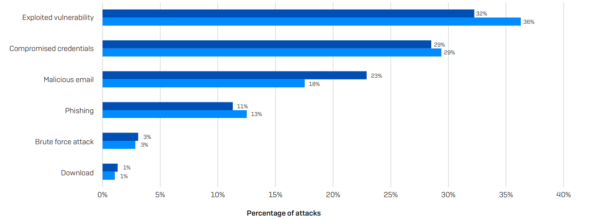
Weak passwords and poor security practices make it even easier for ransomware to spread. It can also come from visiting compromised websites or clicking on malicious ads. Once ransomware gets into your network, it can quickly spread and lock up every device it touches.
Why every business is a target
Every business is a potential target, regardless of size. Thinking your business is too small to be noticed is a mistake. Small businesses often have weaker security measures, making them easy prey for cybercriminals. With the rise of Ransomware as a Service (RaaS), even amateur hackers can launch sophisticated attacks.
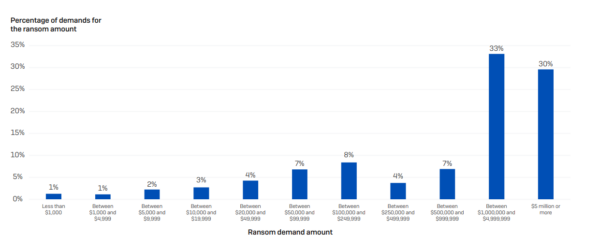
Consider these numbers: 63% of ransom demands are for $1M or more, with 30% of demands for $5M or more. It typically costs about $2.7 million to recover from a ransomware attack. Most businesses can’t afford that, and beyond the financial hit, there’s the loss of productivity and trust that comes with a ransomware attack.
Protecting your business from ransomware is crucial. Start by educating your team about the risks and how to avoid phishing scams. Use strong, unique passwords and change them regularly. Invest in good cybersecurity measures and regularly back up your data, storing it offline.
While no solution is foolproof, taking these steps can significantly reduce your risk. Act now and contact our team to safeguard your business against ransomware attacks.
About the Author: scott


Remote work gives employees flexibility, but it also creates new security risks when they connect through public Wi‑Fi or work in shared spaces. This article explains how businesses can protect data, devices, and employees with practical safeguards that support secure remote work.

Old devices can slow down work, increase security risk, and cost more to repair than they are worth. Learn seven signs that it may be time to upgrade.

Ransomware doesn’t start with encryption—it starts with access. This guide breaks down how attacks unfold and what you can do to stop them early and keep your business running.

AiTM phishing attacks do not break MFA, they work around it by stealing trusted login sessions after authentication is complete. This article explains how these attacks work, why they matter for businesses, and what steps can help reduce the risk.

Shadow AI is already inside most businesses, often through tools employees use every day without formal oversight. Learn how to identify hidden AI risks, improve visibility, and implement practical guardrails without disrupting productivity.

Many cyberattacks begin with ordinary employee behavior, not advanced hacking. Learn how personal web habits create business risk and what organizations can do to reduce exposure without disrupting productivity.

Cybercriminals are finding new ways to access accounts that go far beyond weak passwords and phishing emails. Learn seven unexpected threats putting businesses and individuals at risk, and how to better protect yourself.

AI-powered fraud is making it harder for Accounts Payable teams to detect fake invoices, phishing emails, and executive impersonation scams. Learn how stronger verification processes and smarter payment controls can help reduce financial fraud risk.

Agentic AI is changing how work gets done by moving from simple tools to systems that can act independently. Learn how to prepare your business with the right foundation for safe and effective adoption.

Backups are essential for protecting your business from data loss, downtime, and cyber threats. Learn how to build a reliable strategy that ensures you can recover when it matters most.
STAY IN THE LOOP
Subscribe to our free newsletter.