

Ransomware attacks are a growing threat to businesses everywhere. 59% of organizations were hit by ransomware in 2023. If your business isn’t prepared, it’s time to act. These attacks can have devastating consequences, and it’s crucial to understand what ransomware is and how to protect your business from it.
What is ransomware?
Ransomware is a type of malicious software that locks you out of your own devices or data until you pay a ransom, usually demanded in cryptocurrency. Imagine trying to access your computer one day and finding all your files encrypted, with a message demanding payment to get them back. That’s ransomware. Even if you don’t pay the ransom, you’ll still face significant downtime and costs as you try to recover your data.
How does ransomware invade your systems?
34% of ransomware attacks begin with a phishing email or scam. Email is a commonly used communication channel within companies. Unfortunately, hackers often take advantage of this by sending ransomware messages through this channel. They usually impersonate the company and trick employees into giving away their account logins or clicking on a link that contains malware. These links can be hard to identify, and once the hackers gain access, they can start their malicious activities. That’s why it’s crucial to educate your employees on safe browsing and email practices.
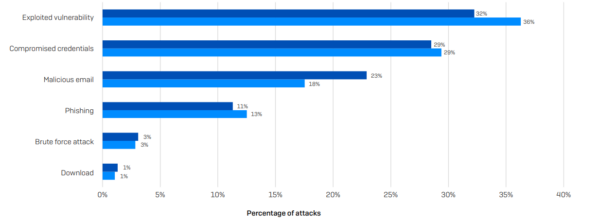
Weak passwords and poor security practices make it even easier for ransomware to spread. It can also come from visiting compromised websites or clicking on malicious ads. Once ransomware gets into your network, it can quickly spread and lock up every device it touches.
Why every business is a target
Every business is a potential target, regardless of size. Thinking your business is too small to be noticed is a mistake. Small businesses often have weaker security measures, making them easy prey for cybercriminals. With the rise of Ransomware as a Service (RaaS), even amateur hackers can launch sophisticated attacks.
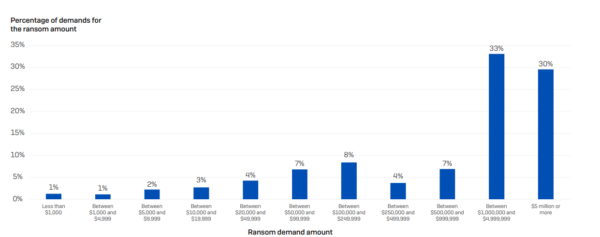
Consider these numbers: 63% of ransom demands are for $1M or more, with 30% of demands for $5M or more. It typically costs about $2.7 million to recover from a ransomware attack. Most businesses can’t afford that, and beyond the financial hit, there’s the loss of productivity and trust that comes with a ransomware attack.
Protecting your business from ransomware is crucial. Start by educating your team about the risks and how to avoid phishing scams. Use strong, unique passwords and change them regularly. Invest in good cybersecurity measures and regularly back up your data, storing it offline.
While no solution is foolproof, taking these steps can significantly reduce your risk. Act now and contact our team to safeguard your business against ransomware attacks.
About the Author: scott


Commercial Microsoft 365 falls short of CMMC requirements for protecting CUI. Here’s how to tell whether GCC or GCC High is the right fit for your contract.

FCI and CUI carry very different obligations. Which one your company handles decides your CMMC level and how much compliance work you’re signing up for.
A GCC migration means building a new Microsoft 365 environment from scratch and moving your business into it. Here's what the process involves and what tends to catch people off guard.

The Department of War suspended the CMMC third party assessment requirement in July 2026, and self assessment and DFARS obligations remain in force. Here is what changed and what contractors still need to do.

CMMC compliance comes down to five phases that take you from your first gap assessment to a third party audit. A sixth phase of ongoing maintenance keeps you compliant once you get there.

Boeing has been messaging its supply chain about CMMC readiness, on a schedule separate from the government’s. Here’s what that means in practice.

Phishing emails used to give themselves away through bad spelling. AI has closed that gap, so your team needs a better way to tell what is real.

Most compromised business websites were never singled out. An automated tool found an outdated plugin and took it from there. Here's how to tell if your site carries that same risk, and what a fix actually looks like.
A cloud outage does not need a hacker behind it to shut down your business for a few hours. A short continuity plan is what keeps your team working and your customers informed until service returns.

Zero Trust is no longer just for large enterprises. For small businesses, it offers a practical way to limit access, reduce risk, and protect critical data as cloud tools, remote work, and modern threats change how security needs to work.
STAY IN THE LOOP
Subscribe to our free newsletter.